


egames | Exploring the Intricate World of Game Strategies in E-Gaming
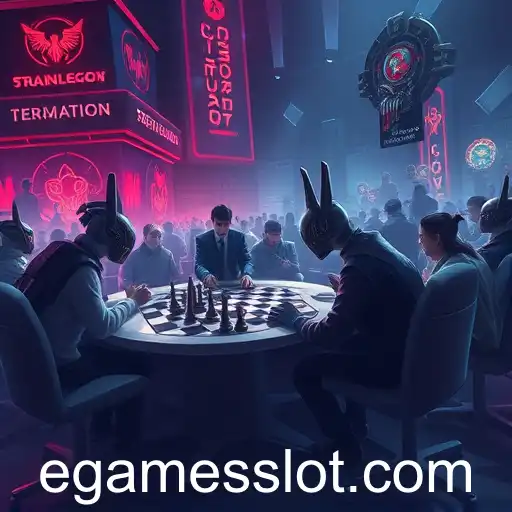
The rise of digital platforms has led to the evolution of a compelling category known as "Game Strategies" within the realm of electronic games or 'egames'. This genre has become a critical interest point for both developers and players, offering a diverse range of experiences that challenge the mind and refine the skills of strategic thinking. Game strategies encompass a vast array of genres, including real-time strategy (RTS), turn-based strategy (TBS), and multiplayer online battle arenas (MOBA), each offering unique gameplay dynamics and strategic depth.
With its roots deeply embedded in classic board games like Chess and Go, the strategy game genre has evolved to include increasingly complex elements and sophisticated AI, requiring players to focus on long-term planning and managerial skills alongside tactical combat. Popular titles such as "StarCraft," "Civilization," and "League of Legends" have become iconic, demonstrating the enduring appeal of strategy games. These games challenge players to think critically, make decisions under pressure, and adapt to ever-changing environments.
The importance of effective game strategies cannot be understated within competitive environments. Esports, for example, showcases strategy games as a significant segment, with players engaging in intense competition requiring them to harness both pre-planned strategies and to innovate new ones in real-time. This creates a thrilling spectator sport, where both individual prowess and team strategy come to the fore.
Moreover, strategy games often serve as educational tools, sharpening cognitive functions, enhancing problem-solving abilities, and fostering a deeper understanding of complex systems. As such, they are not only a means of entertainment but also a method of training the mind, making them particularly appealing to a diverse audience. The strategic decisions required in these games mirror real-world scenarios, offering players insights into strategic thinking that can be applicable in real life.
As game developers continue to push the boundaries, the future of strategy games looks promising with the integration of immersive technologies like virtual reality (VR) and augmented reality (AR). These advancements are set to create richer, more interactive environments, providing an even more lifelike strategic gaming experience. Game strategies in egames remain a pivotal area for innovation and engagement in the gaming industry, promising endless possibilities for both creators and enthusiasts.
