


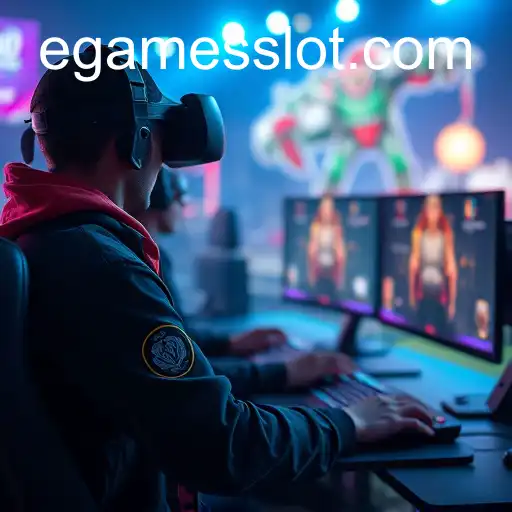
In recent years, the egames industry has seen unprecedented growth, transforming from a niche market to a mainstream entertainment powerhouse. As we delve into 2025, the continued expansion of egames highlights a digital revolution, capturing the attention of millions globally. With major gaming companies investing heavily in technology and infrastructure, egames are poised to reshape the entertainment landscape.
Notably, the emergence of virtual reality and augmented reality technologies in gaming has opened new avenues for immersive experiences, allowing players to engage with content in ways that were previously unimaginable. This technological integration has not only broadened the appeal of egames but also attracted a diverse audience ranging from casual gamers to professional esports athletes.
The societal impact of egames cannot be underestimated. As platforms become more inclusive, they offer a space for people from different backgrounds to connect and compete, fostering a sense of community that transcends geographical boundaries. This, in turn, has sparked conversations about digital citizenship and the role of online interactions in shaping modern social dynamics.
Economically, the egames industry continues to be a powerhouse, with revenues surpassing those of the film and music industries combined. This financial boom has led to significant job creation, from game development to esports tournament management, signaling a fruitful future for those pursuing careers in this field.
However, the rise of egames also brings challenges. Issues like data privacy, gaming addiction, and the digital divide must be addressed to ensure the sustainable growth of the industry. As stakeholders work towards balancing innovation with responsible practices, the next few years will be crucial in shaping the long-term impact of egames on society.
As we witness the unfolding of this egames revolution, it is evident that its influence will continue to expand beyond entertainment, touching aspects of education, communication, and business. It is not just a question of what games people play, but how these games are changing the world as we know it.