


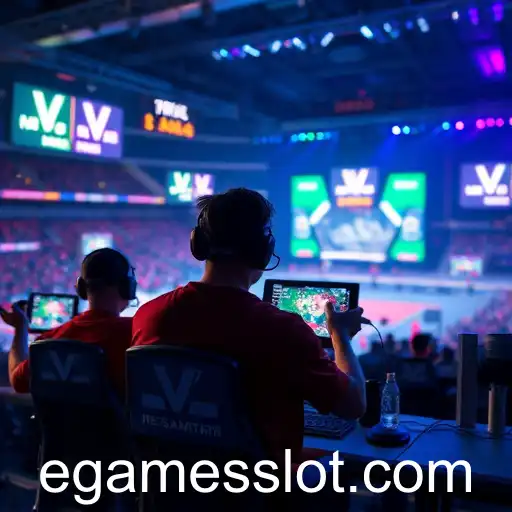
The world of eGames, once considered a niche sector within the larger gaming industry, has now emerged as a major player in the entertainment landscape. With advancements in technology and significant cultural shifts, eGames have transcended traditional gaming boundaries, offering immersive experiences that captivate audiences around the globe.
In recent years, the eGames industry has witnessed unprecedented growth, supported by the proliferation of high-speed internet and the explosive popularity of streaming platforms. These developments have fostered the rise of Esports—a competitive form of eGames that draws audiences rivaling those of traditional sports. Major Esports tournaments, such as the League of Legends World Championship and Dota 2's The International, now boast prize pools in the millions, highlighting the lucrative nature of competitive gaming.
Moreover, the integration of virtual reality (VR) and augmented reality (AR) technologies has further enhanced the appeal of eGames, allowing players to engage with richly detailed environments in ways previously unimaginable. These innovations offer players a heightened sense of immersion, blurring the line between the physical and digital worlds. As VR and AR technologies continue to evolve, their potential to transform both the gaming experience and broader entertainment narratives remains boundless.
Commentary from industry experts suggests that the rise of eGames represents a broader trend of digital transformation across entertainment sectors. eGames' ability to adapt and incorporate diverse forms of media—ranging from interactive narratives to spectator sports—positions them uniquely in the modern entertainment economy. Furthermore, the demographic reach of eGames is vast; they attract not only the traditional young male audience but increasingly diverse communities, including women and older gamers.
With the onset of 2025, eGames continue to define themselves as a cultural force to be reckoned with. The industry's resilience and capacity for innovation assure its role as a key contributor to the arts and digital media in the years to come. As traditional barriers between reality and virtual experiences diminish, eGames stand at the forefront of shaping how we consume and interact with new forms of entertainment.
As we look to the future, the ongoing development of eGames and their associated cultures will undoubtedly play a crucial role in how we envision and experience digital media. Within this vibrant arena, the possibilities remain bound only by the limits of technology and imagination.