


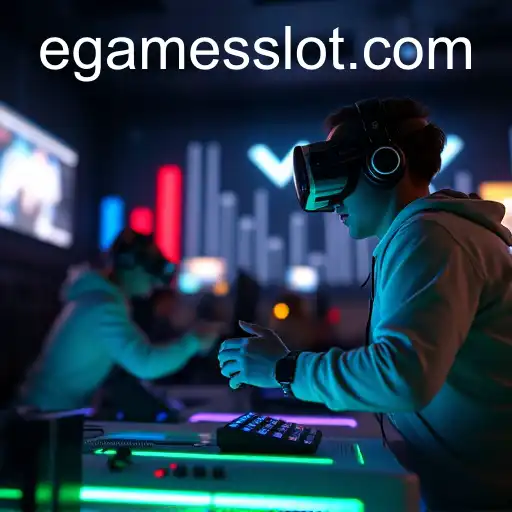
As we step into 2026, the egames industry is not only thriving but becoming an indispensable part of global entertainment culture. With an increased focus on digital experiences, the gaming industry has been bolstered by advancements in technology and an ever-growing fan base.
Throughout the past year, egames have seen a significant rise in both markets and popularity, driven by innovative technologies and changing consumer behaviors. The integration of virtual reality (VR) and augmented reality (AR) into mainstream gaming has revolutionized user experiences, making games more immersive and interactive than ever before. This shift signifies a transformative change in how games are developed, consumed, and perceived globally.
Moreover, the pandemic-induced adoption of remote lifestyles has further fueled the growth in egames. Players from all walks of life have turned to gaming not only as a form of entertainment but as a means of social interaction. The rise of esports as legitimate competitive platforms has also fed into this trend, drawing both participants and audiences worldwide.
However, as the industry continues to expand, it faces challenges such as regulatory scrutiny and the need for sustainable practices in game development. Critics argue that the fast-paced growth of the industry often neglects ethical considerations, such as data privacy and the potential psychological impacts on players, particularly younger audiences.
Balancing commercial success with ethical responsibility remains a key concern for industry leaders in 2026. As companies strive to innovate and capture the global market, they must also focus on creating inclusive and responsible gaming environments. Meanwhile, collaborations across sectors are opening new avenues for growth, with tech giants, entertainment moguls, and educational institutions all vying to get a share of the egames economy.
In this dynamic landscape, staying ahead requires constant adaptation. Developers and stakeholders are tasked with the challenge of not only predicting market trends but also shaping them. As we observe these trends within the egames industry, one thing is clear: it remains a powerful force reshaping the way we experience entertainment in the digital age.